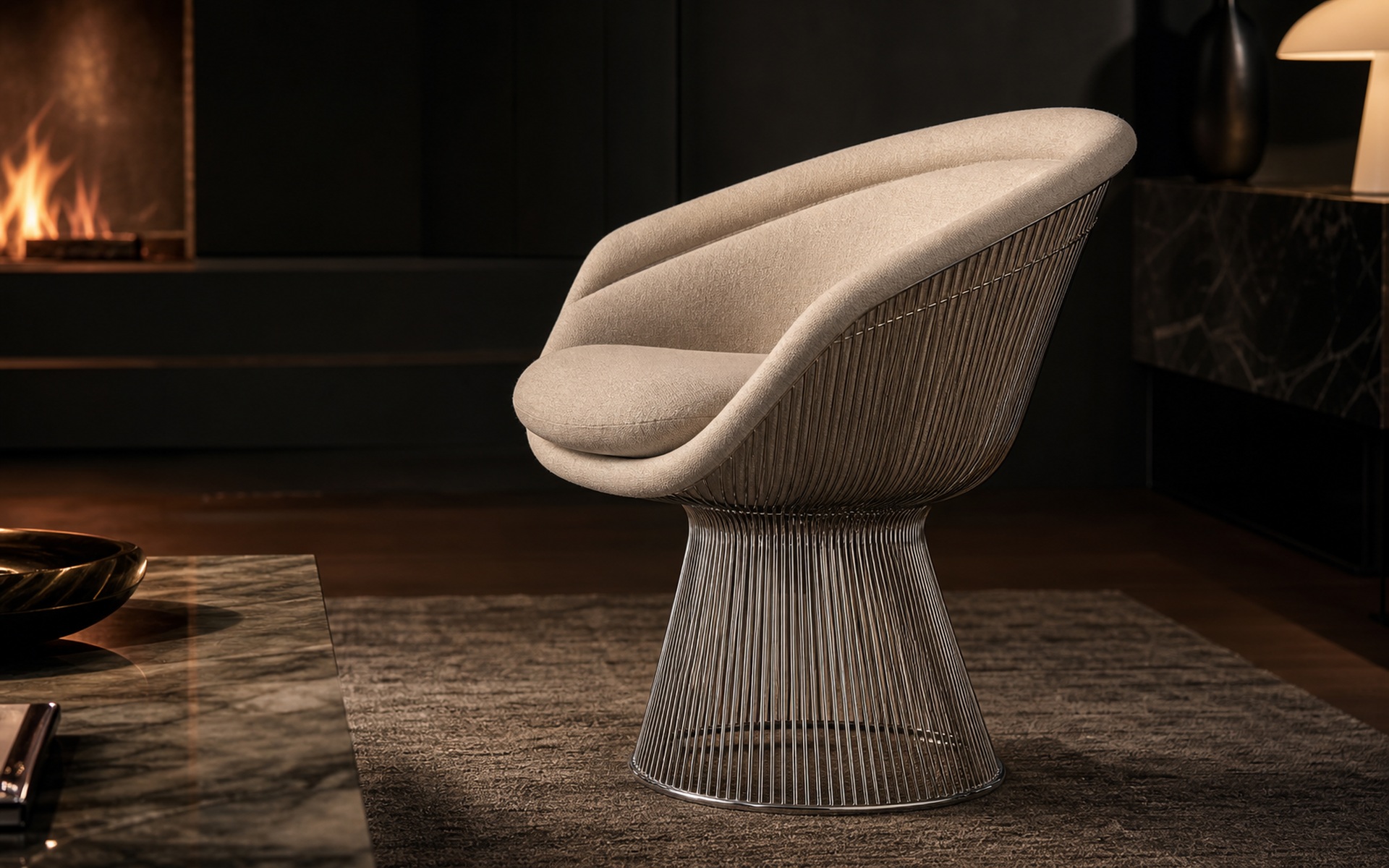
In 1966, at the height of modernism’s love affair with the straight line, Warren Platner bent hundreds of steel rods into a shimmer and dared the movement to call it decoration.
There is a moment, standing beside a Platner chair as you move across a room, when the base seems to ripple.
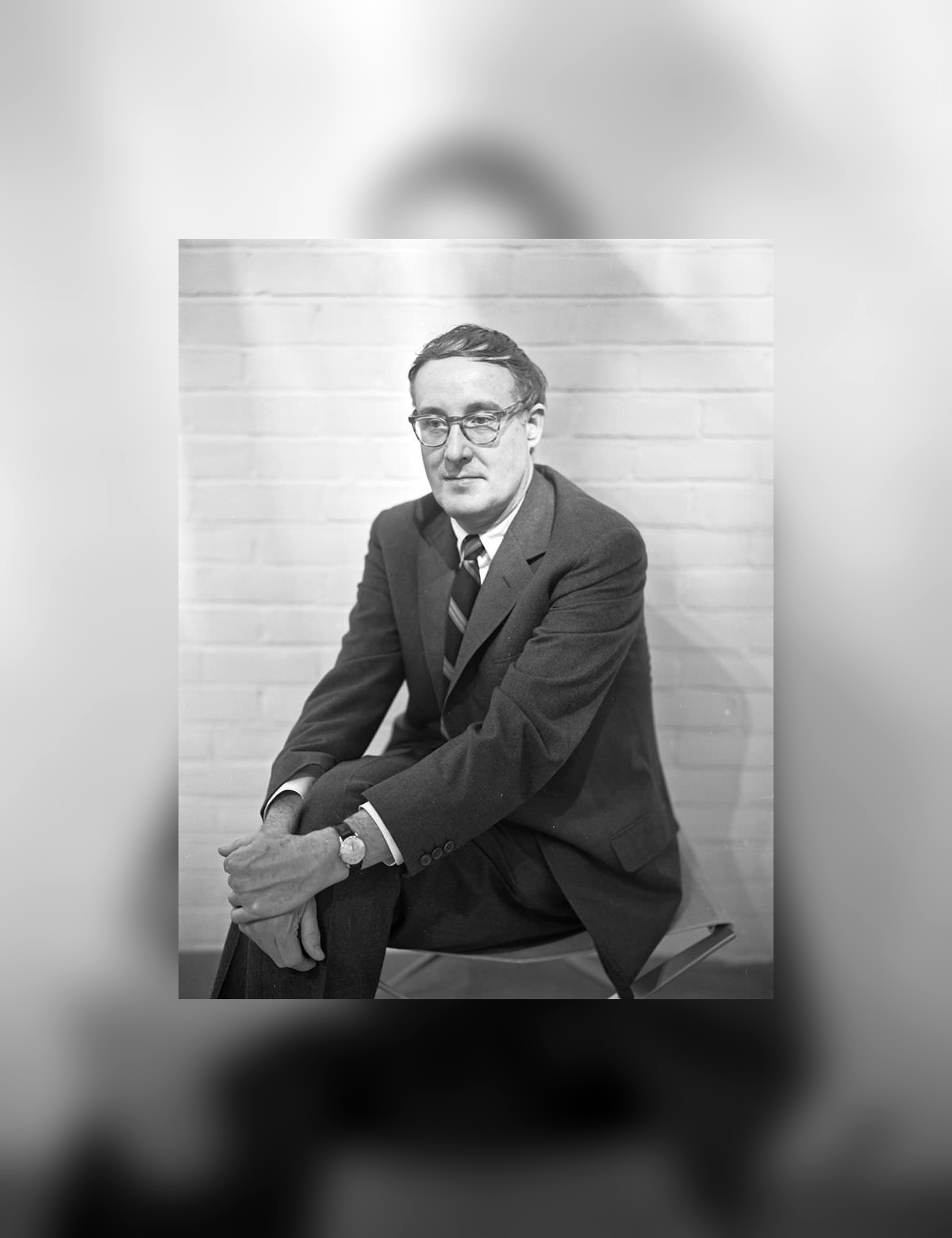
Hundreds of vertical steel rods, each one curved, nickel-plated and welded top and bottom, form not legs but a sheaf, a gathered bundle of bright lines that light slides across as you pass. Photographers call the effect moire. Owners call it the reason they bought the chair. Either way, no other piece of modernist furniture moves while standing still. Warren Platner was an architect’s architect. He had worked in the offices of Raymond Loewy, I. M. Pei and Eero Saarinen, detailing some of the most celebrated American buildings and interiors of the era, and he knew exactly what the orthodoxy of the 1960s permitted: honest structure, no ornament, the right angle as a moral position. His 1966 collection for Knoll was a polite, immaculately engineered act of rebellion against all of it. He said he wanted to capture the kind of decorative, gentle, graceful design associated with a period style like Louis XV, and to get it not by applying ornament but by making the structure itself so rhythmic that ornament became unnecessary.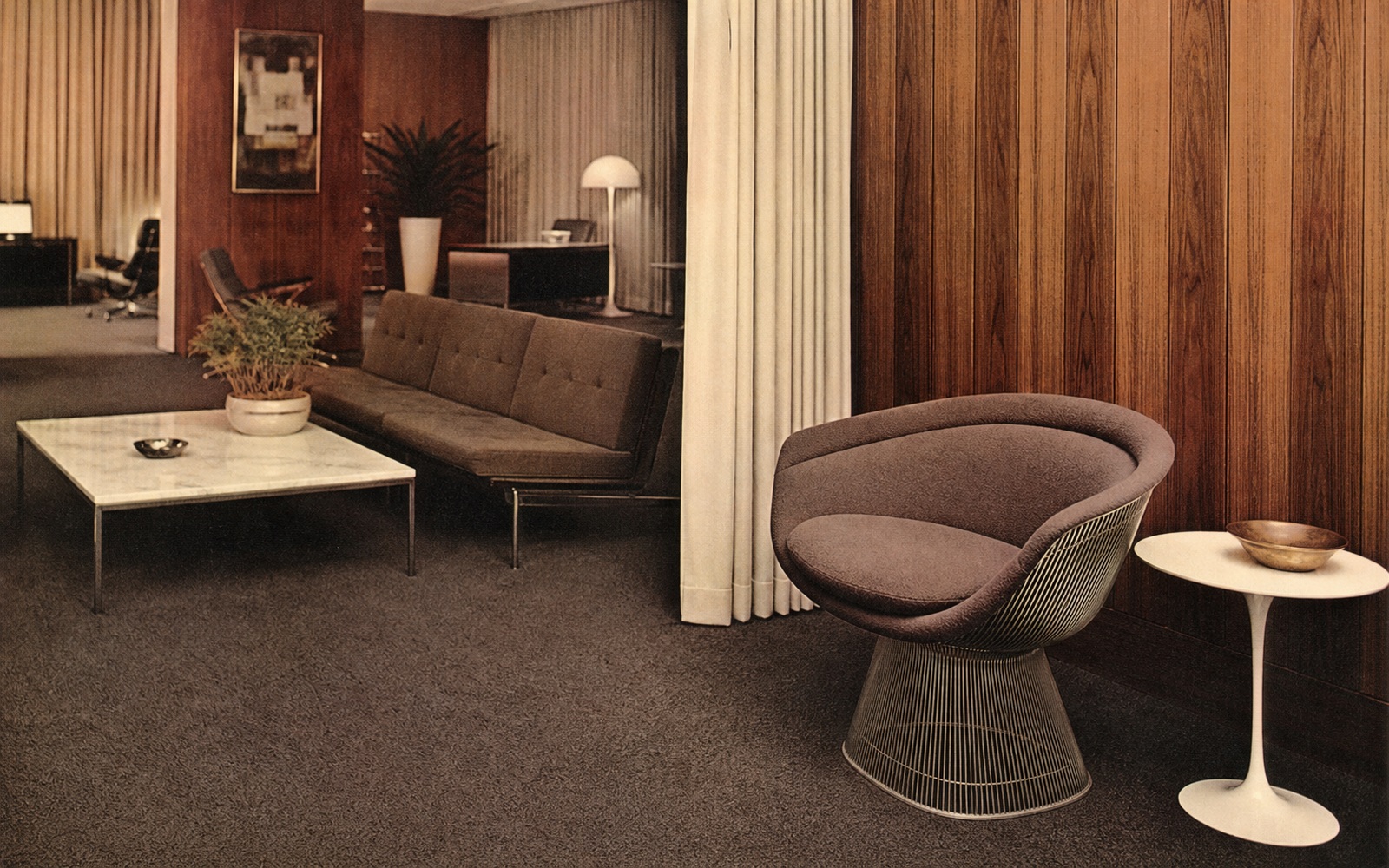
Decoration you can weld
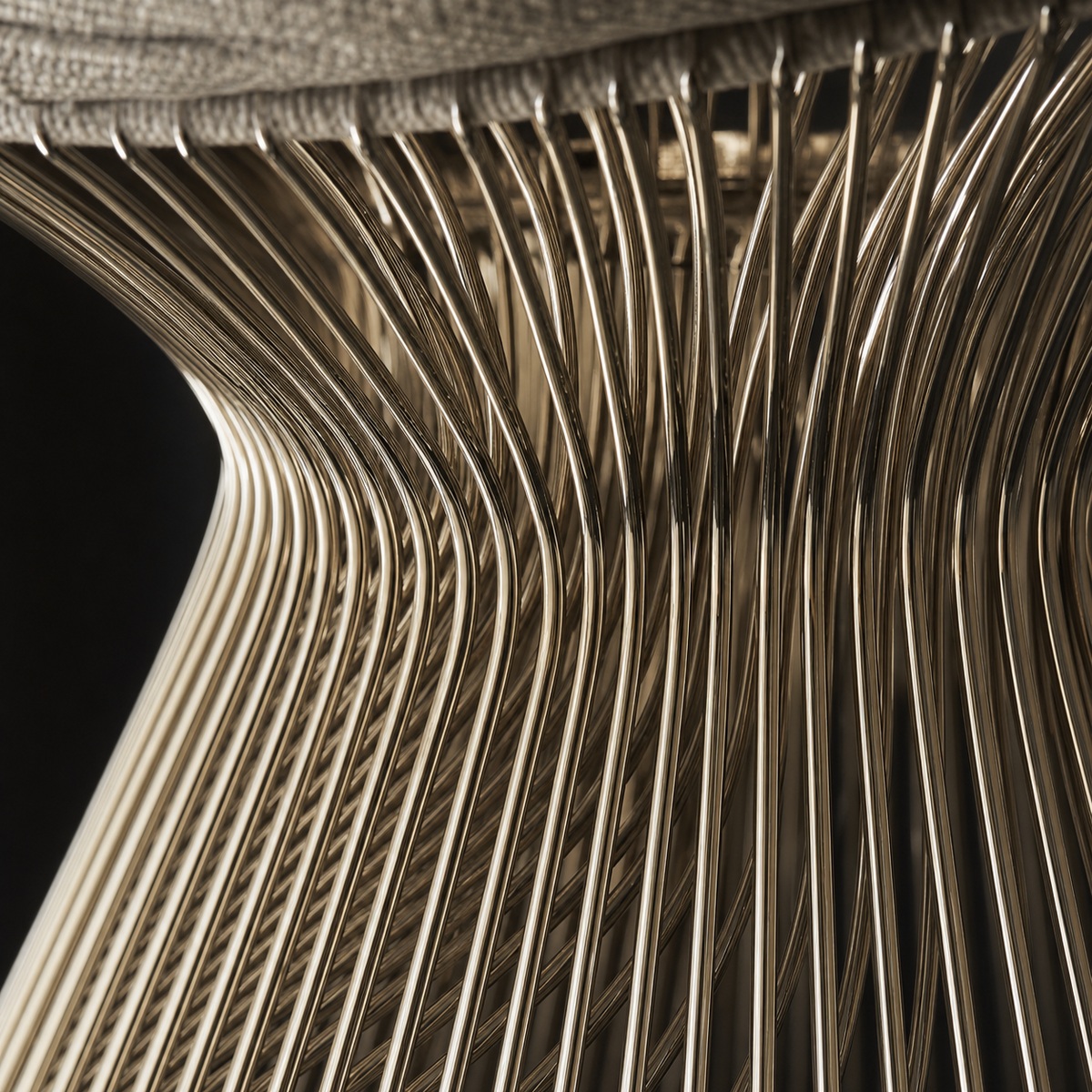
That is the intellectual trick of the Platner collection, and it is worth slowing down for. Every one of those rods is structural; remove them and the chair falls. But multiplied into the hundreds and curved into an hourglass sweep, structure starts behaving like drapery, like the fluting on a classical column, like pleated fabric caught in metal. The chair is simultaneously the most honest thing in the room, all of its anatomy on display, and the most theatrical. Production was as extravagant as the effect. Each piece required over a thousand welds in the original manufacture, work Knoll has continued since 1966, with the lounge chair’s cradle of rods supporting a generous upholstered bucket that seems to hover inside the shimmer. Where the steel of the 1920s, the Wassily, the LC collection, had presented itself as industrial equipment, Platner’s steel presents itself as candlelight.“Structure starts behaving like drapery, like pleated fabric caught in metal.”
How to see it
The honest knock
Now the concessions. That forest of rods is a filigree dust trap, and keeping several hundred bright wires clean is a genuine domestic chore. The chair is heavy, awkward to move, and unkind to robot vacuums and stockinged feet alike at floor level. The glamour cuts both ways: in the wrong room the shimmer reads as hotel-lobby rather than home. And the price of all those welds is exactly what you would guess. The Platner is a luxury object that never pretended otherwise; it merely made the luxury structural.Copies, and the tell
Counterfeits fail at the mathematics. The original’s rods are numerous, fine, evenly spaced and identically curved, which is precisely what is expensive; copies use fewer, thicker rods at wider spacing, and the moire, the entire point of the object, never appears, leaving a birdcage where a shimmer should be. Watch the waist too: knock-offs let the hourglass pinch go slack or exaggerate it into a corset. And run a hand around the top rim, where hundreds of weld points in the authentic piece are ground invisible; copies leave a braille of bumps. You can fake the silhouette of a Platner in an afternoon. You cannot fake its arithmetic without paying what Knoll pays. Sixty years on, the argument Platner started is settled: decoration and structure were never enemies, they were estranged relatives. He reintroduced them with a welding torch, and the room has been better dressed ever since.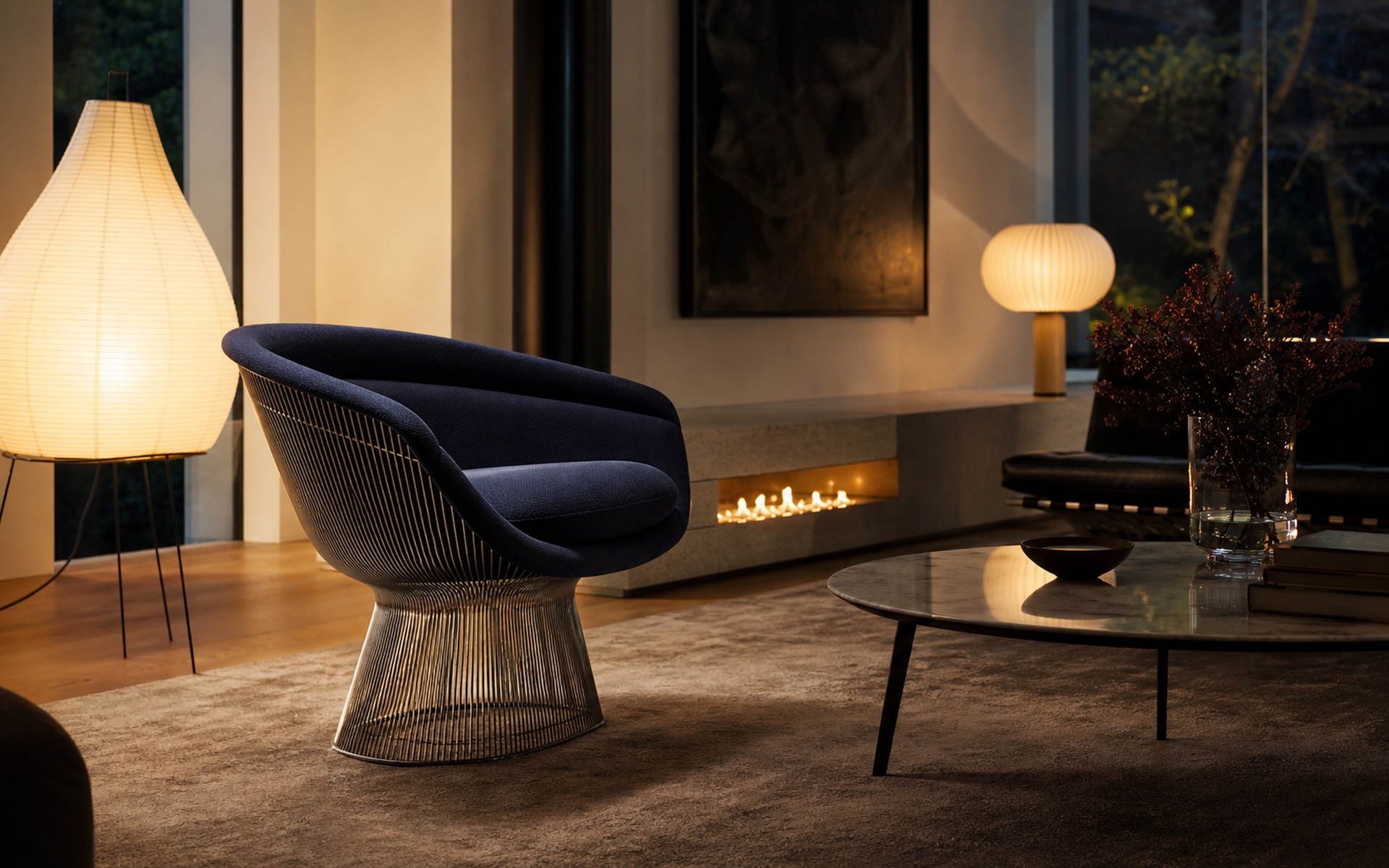
Sources
- Platner collection, 1966, design intent including the Louis XV remark and production history, Knoll. knoll.com
- Warren Platner career, work with Loewy, Pei and Saarinen. wikipedia.org
- Over a thousand welds per piece in original manufacture. Probable; widely cited in Knoll materials and design press. knoll.com

